Energy Reading for the Lunar Month: 18 January - 16 February 2026
As we arrive at the final lunar month of the year, we are invited into a natural pause - a moment to reflect on where fear and stress have shaped our sense of safety, direction, and self-trust. With the Year of the Fire Horse approaching - a year associated with movement, courage, and decisive forward energy - this threshold asks for discernment rather than urgency. What is ready to be released now, so that when the fire of the coming year ignites, we meet it not with exhaustion or resistance, but with grounded readiness, clarity, and inner support?
When the Kidneys Speak First
When kidney energy becomes overactive, it often reflects a state of hypervigilance - an over-filtering of experience. Metaphysically, the kidneys govern discernment and safety. Their overactivity suggests a system that has learned to stay alert in order to feel secure, as though safety must be continuously maintained rather than trusted.
Emotionally, this can show up as long-held, normalized fear. Concerns around stability, relationships, responsibility, or the future may have been carried for so long that they feel like part of who we are. This vigilance often extends inward: overactive kidneys are associated with excessive self-monitoring and inner judgment. Perfectionism, people-pleasing, difficulty resting, or feeling uneasy when things are quiet may all arise from this pattern.
Energetically, this state points to depletion through overexertion - giving more than is received. Spiritually, it reflects a subtle misalignment between instinct and trust, where fear-driven alertness overrides intuition and flow. You may notice this not only mentally, but physically as well: a sense of bracing in the body, tension in the lower back, shallow breathing, or difficulty fully settling.
Stress: The Root Beneath the Overactivity
Beneath the kidneys’ message, stress emerges as the primary driver. Stress is not simply pressure or busyness - it is resistance. It arises when thoughts, emotions, or beliefs are misaligned with lived experience, and the body compensates by staying on guard.
Emotionally, stress accumulates as unprocessed fear, anger, or overwhelm, creating a constant internal pressure that keeps both the kidneys and nervous system on high alert. Spiritually, it reflects a loss of trust in timing, support, or inner guidance. Energetically, stress signals blocked flow: when burdens - especially those not truly ours - are carried for too long, energy stagnates and tension becomes familiar.
Exploring the Body’s Signals: Five Key Points
To understand more clearly how overactive kidneys and stress may be showing up in your life, we turn to five resonant body points: the descending colon, energy blockages, cellular oxygenation, the pineal gland, and the crown chakra. Together, they reveal how resistance, trapped energy, depleted vitality, and dulled perspective can reinforce patterns of vigilance and fear.
Descending Colon: Release and Letting Go
The descending colon governs both physical and energetic release. It reflects our ability to let go of what has been processed - old fears, beliefs, and emotional residue. When tension is held here, it often mirrors difficulty releasing the past or trusting that it is safe to move on. This resistance feeds kidney overactivity, keeping the system alert. Emotionally, it may show up as rumination, lingering anxiety, or a sense that something must be “held together” at all costs.
Energy Blockages: Stagnation in Flow
Overactive kidneys and stress often indicate energy trapped in survival patterns. When energy is blocked, life force cannot circulate freely, leading to fatigue, tension, or a sense of being stuck. These blockages point to areas where fear or unprocessed emotion dominates, interrupting natural rhythm and ease.
Cellular Oxygenation: Vitality and Life Force
Stress can subtly reduce cellular oxygenation, affecting vitality, clarity, and resilience. Symbolically, oxygen represents life force and inspiration. When oxygenation is compromised, fatigue, mental fog, or emotional flatness may arise - mirroring a life lived under strain rather than nourishment.
Pineal Gland: Inner Vision and Intuition
The pineal gland bridges the physical and subtle realms, supporting intuition and inner insight. Chronic stress and kidney overactivity can dull this connection, making it harder to hear inner guidance. When supported, the pineal gland restores clarity and discernment, allowing choices to arise from insight rather than fear.
Crown Chakra: Trust and Perspective
The crown chakra governs surrender, spiritual connection, and broader perspective. Persistent vigilance can block this center, anchoring awareness in control and self-protection. When the crown is open, trust returns - not as blind faith, but as an embodied sense that we do not have to hold everything alone.
Connecting the Dots
Together, these points form a coherent picture. Difficulty releasing, trapped energy, reduced vitality, and muted intuition all reinforce a system shaped by stress. Yet they also reveal clear pathways toward balance: letting go, restoring flow, replenishing life force, and reconnecting with trust and perspective.
Subconscious Clues and the Inner Path Forward
Moving into the subconscious layer of this reading, four pieces of information emerge. The first two show where this theme is most active in life - our interests and our self-esteem. The second two offer guidance on how healing unfolds, through awareness and symbolic movement.
Interests and Personal Direction
When stress keeps the body in survival mode, curiosity narrows. Energy that might otherwise flow toward creativity, learning, or exploration becomes tied up in managing perceived risk. This can appear as hesitation, procrastination, perfectionism, or a loss of enthusiasm for things that once brought meaning. You may notice yourself holding back - not because something feels wrong, but because it feels safer not to move.
Self-Esteem and Self-Worth
Overactive kidney energy often carries a deep sense of responsibility - for balance, for outcomes, for others’ well-being. Stress amplifies this, subtly tying self-worth to vigilance and performance. Rest may feel undeserved; achievements may feel fragile. When intuition and higher perspective are muted, it becomes harder to recognize worth beyond effort. Simply noticing this pattern can begin to loosen it.
The Bridge
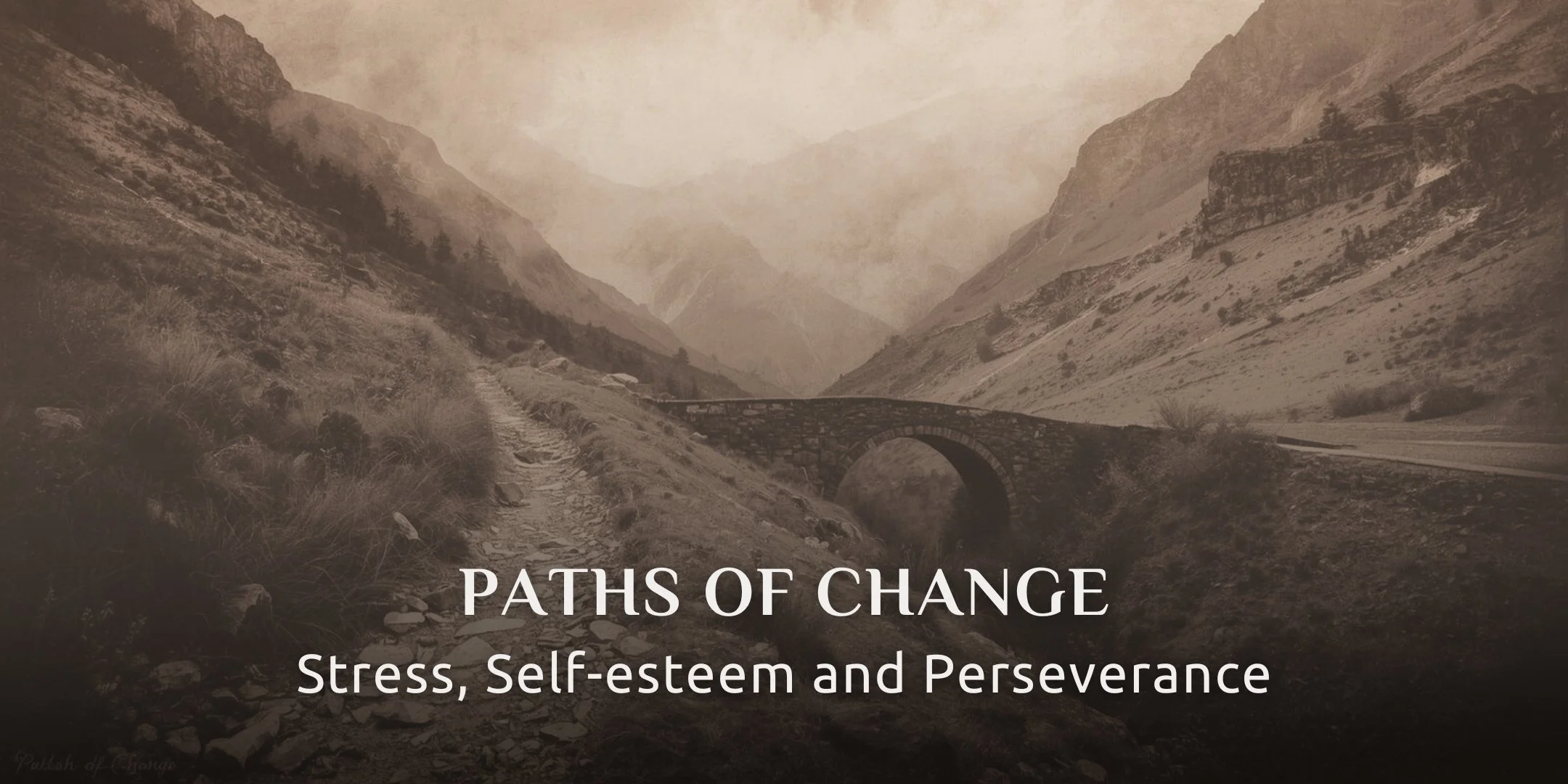
To guide the inner journey, the field offers the image of a bridge. A bridge represents transition and integration - the movement between what is familiar and what is emerging.
In terms of interests, it marks the passage from cautious engagement into genuine curiosity. In terms of self-esteem, it represents the shift from conditional worth to embodied trust. The bridge does not remove fear; it invites us to cross with awareness, one step at a time.
Observant Awareness
The second guiding word is observant. This describes the quality of awareness needed now. Observation allows patterns to be seen without urgency or judgment. It creates space for insight to arise naturally. In this way, being observant becomes an act of self-trust - listening to the body and psyche as information, not threat.
Bringing It Together
These four elements form a map: where the pattern shows up, and how to move through it. Healing here does not come from forcing change, but from noticing, releasing, and crossing consciously - allowing vigilance to soften into clarity, curiosity, and grounded self-worth.
Guided Visualization: Crossing the Bridges Within
This visualization supports embodiment and integration. You may wish to read it through first, then return when you can sit comfortably and without interruption. Some people see images clearly; others sense, feel, or simply know. All experiences are valid. Move at your own pace, remaining the observer throughout.
Step One: Standing at the First Bridge
Close your eyes and see yourself walking along a road or pathway. Notice the landscape, the weather, the time of day - take it in fully. Observe the road as it winds toward a bridge. Pause for a moment and notice:
The type of bridge - its length, height, and sturdiness
Any obstacles on the road leading to it
What lies on the other side
Notice how you feel about crossing the bridge. What sensations arise in your body? Do not cross yet - simply stand calmly, observing yourself at this junction.
Step Two: Reflecting on Your Journey
Turn around to look back at the path that brought you here. See the bridges you have already crossed - the large and small ones, each forming a network of experiences that have shaped your life and brought you to this moment. Notice how this perspective shifts your feelings.
Now, still looking back, glance at the other side of the last bridge you crossed. You see a past version of yourself standing there, considering whether or not to cross. How do you feel toward this version of yourself? How might they feel? If you could speak to them, what encouragement or wisdom would you offer?
Step Three: Meeting Your Future Self
Now turn back to face the bridge ahead. Notice if your perception has shifted - does it feel a little easier, lighter, or more supported now? Look to the far side and imagine seeing yourself already across the bridge. This future version of you steps back toward you, reaching into their pocket to take out something - a symbol, object, or gift - and gently places it in your hands before returning across the bridge and disappearing along the path.
Take a moment to observe this gift. Notice its details and qualities. Bring it toward your body and feel where it naturally belongs. Allow it to infuse you with courage, strength, and the awareness of possibility.
Step Four: Crossing the Bridge
When you feel ready, begin to cross the bridge, observing every detail of the journey. Notice your breath, body sensations, fears, or doubts as you move forward. Feel the gift within guiding you, lifting your head, and encouraging you to step steadily to the other side.
When you reach the far side, pause and feel the moment of accomplishment. Reach into your pocket and notice another gift, one that represents the lessons and resources earned through this crossing. Turn, and look back to see yourself still standing at the bridge’s start. Offer them what they need to cross, giving freely from the courage and strength you now carry. Allow this process to unfold naturally, releasing fears as you move forward, and receiving all that is available to you from within.
Step Five: Releasing Fear and Receiving Blessings
To deepen the release, place your left hand on your stomach and your right hand on your chest, silently repeating: “I release my fears.” You may list specific fears aloud or in your journal. Continue until you feel lighter.
Next, move your left hand to the base of your throat and your right hand to your forehead, opening yourself to receive the gifts of each bridge crossed. Silently affirm: “I receive all blessings and gifts,” or use words that feel natural to you. Allow these gifts to fully integrate, reminding you of your inner strength, courage, and capacity for transformation.
Final reflection
As this journey draws to a close, two words arise first: Call and Performance. Let Call draw you inward—to what is quietly asking for your attention, honesty, or courage. Let Performance reflect how you show up in your life, not through effort or perfection, but through presence and authenticity.
From here, allow perseverance to carry you forward gently. Change unfolds through patient engagement, not force. In the quiet space of silence, return to the gifts you have gathered, letting calmness strengthen your sense of self. Trust that each bridge crossed prepares you for the next—step by step, with clarity, resilience, and renewed vitality.
Going foreward
It’s interesting to note how this reading continues the thread from last month’s The Bridge Within, which helped restore the inner bridge that allows wisdom, clarity, and balance to flow, and so preparating for the work this month. If you’d like to deepen this work, you might:
Revisit The Bridge Within and its workbook
Download and use this month’s journalling workbook
Revisit the visualization during the month
Or book an individual session with me (online or in person).
As always, move gently.
Philip